Furthermore, as artificial intelligence and virtual influencers become more mainstream, the highly structured, hyper-polished visual language of the subculture will serve as prime material for algorithmic content generation. The transformation is complete: what was once used as a tool to mock women has become a multi-billion dollar engine of digital culture, permanently rewriting the rules of popular media.
For example, when the Mean Girls musical film was released, e924 did not simply review it. Instead, the content focused on:
To understand the landscape of modern entertainment media, one must look at the history and influence of E! Entertainment Television. Launched on July 31, 1987, as "Movietime," the network was originally a service that aired movie trailers, entertainment news, event coverage, and interviews, serving as an early example of a national "barker channel." The channel was founded by Larry Namer and Alan Mruvka. Early hosts included Greg Kinnear, Katie Wagner, and Sam Rubin, who helped shape its identity.
: The company organizes the Bimbo Global Race , a massive hybrid event with over 300,000 participants across 24 cities worldwide to support food banks. 3. Cultural Content: The "Bimbo" Archetype in Media
We see the influence of the bimbo aesthetic in mainstream cinema and music as well. The massive success of the Barbie movie is perhaps the most prominent example of "bimbo" visuals being used to tell a complex story about womanhood and autonomy. Similarly, music icons frequently adopt the "doll" persona in their music videos, blending high-fashion with a message of empowerment. The Digital Shift: From TV to Social Feeds
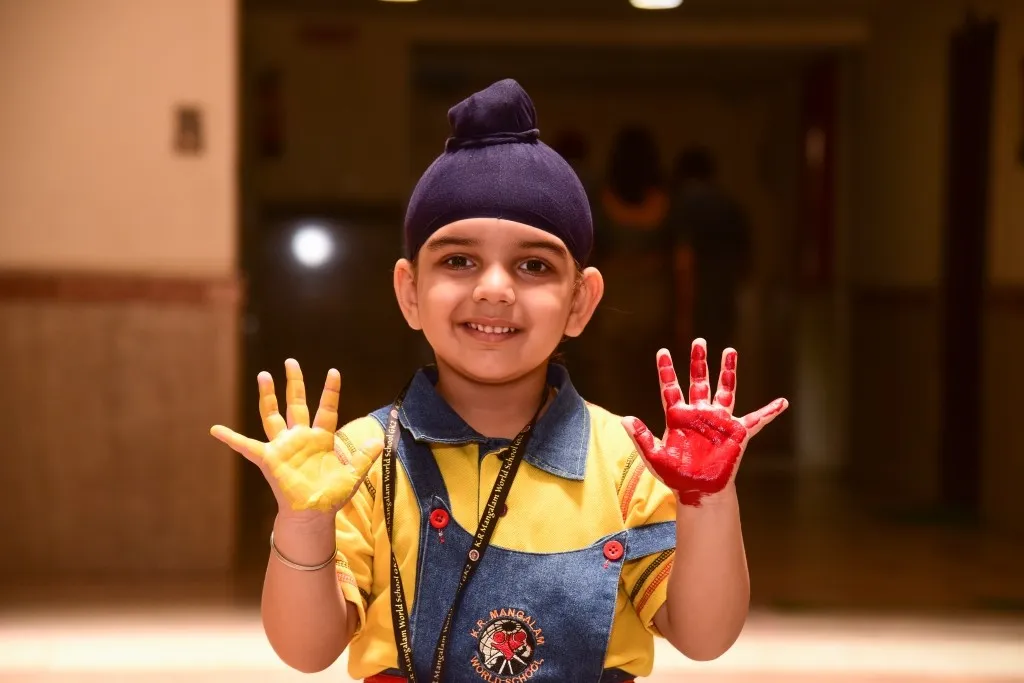
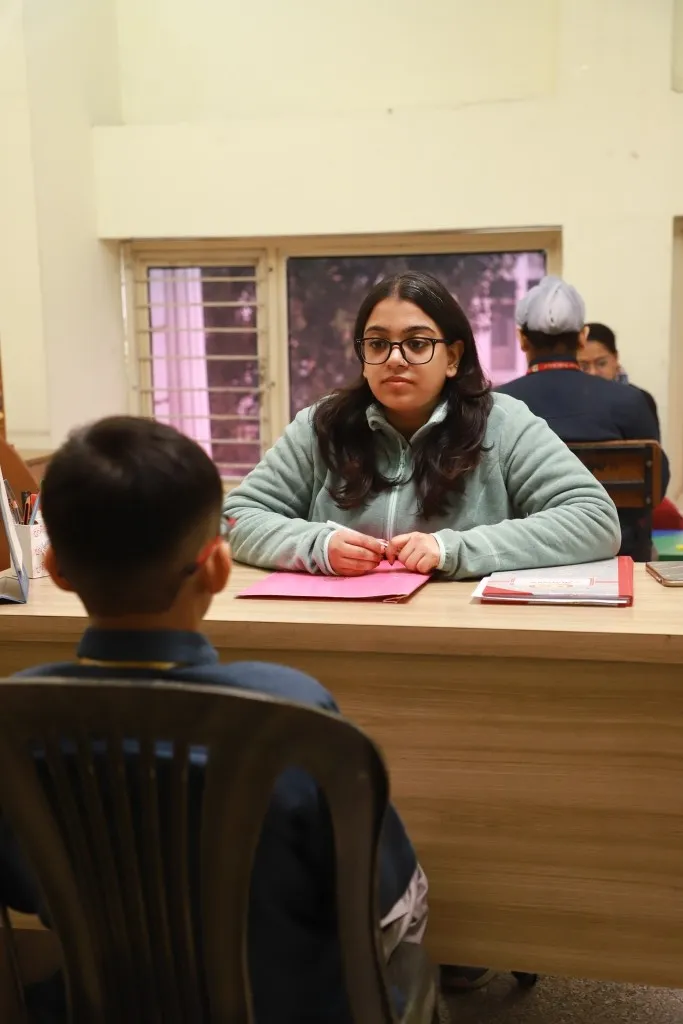
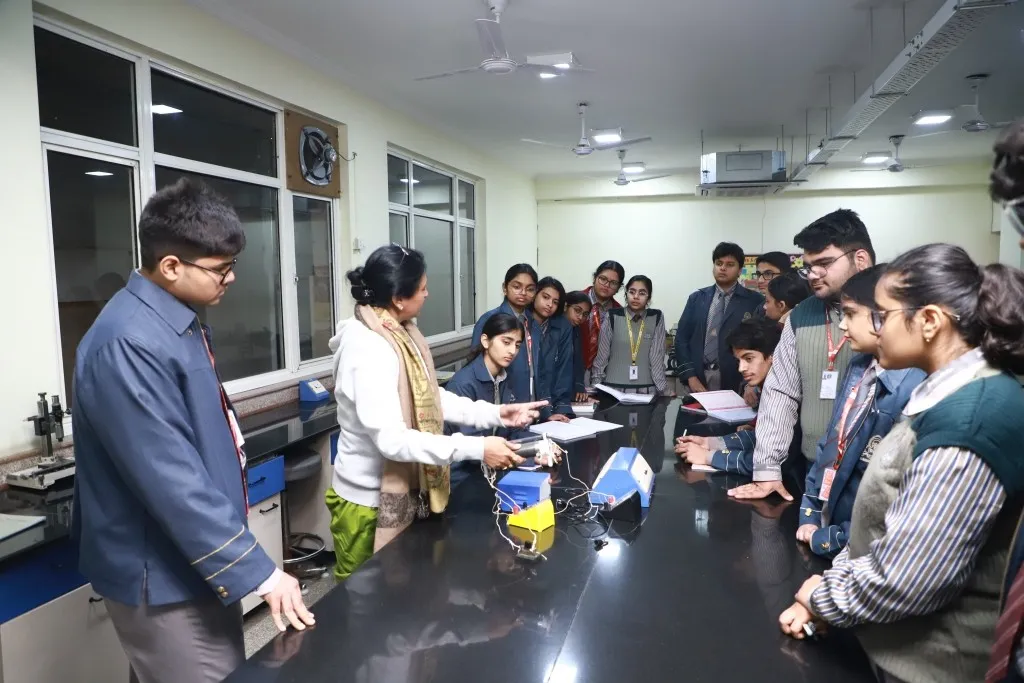
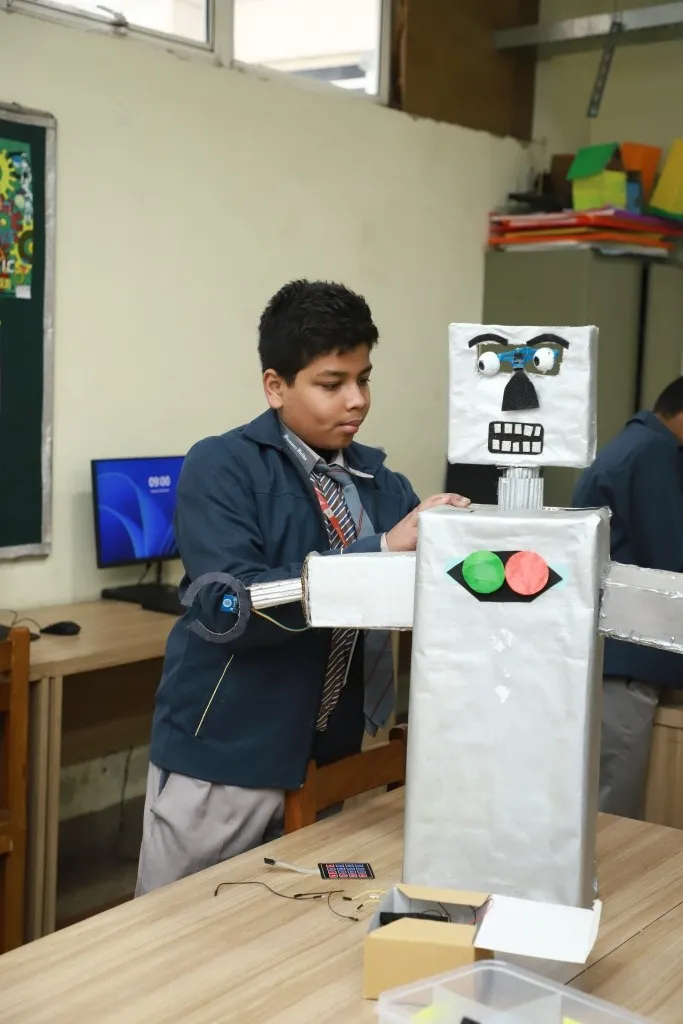
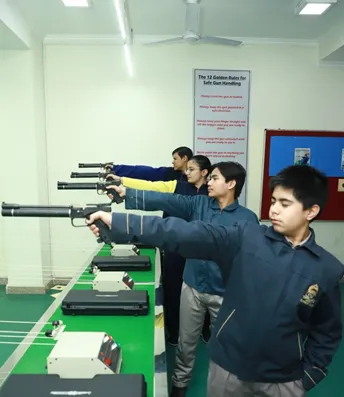
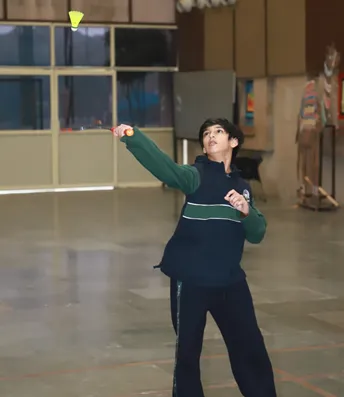
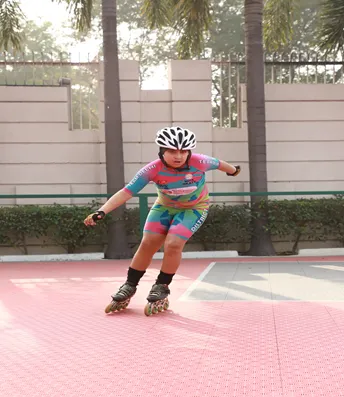
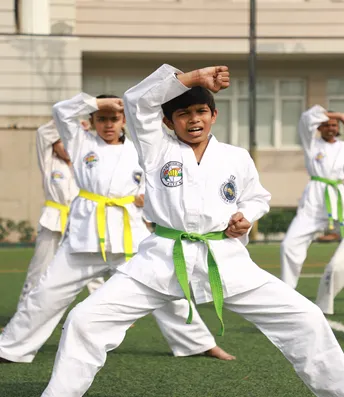
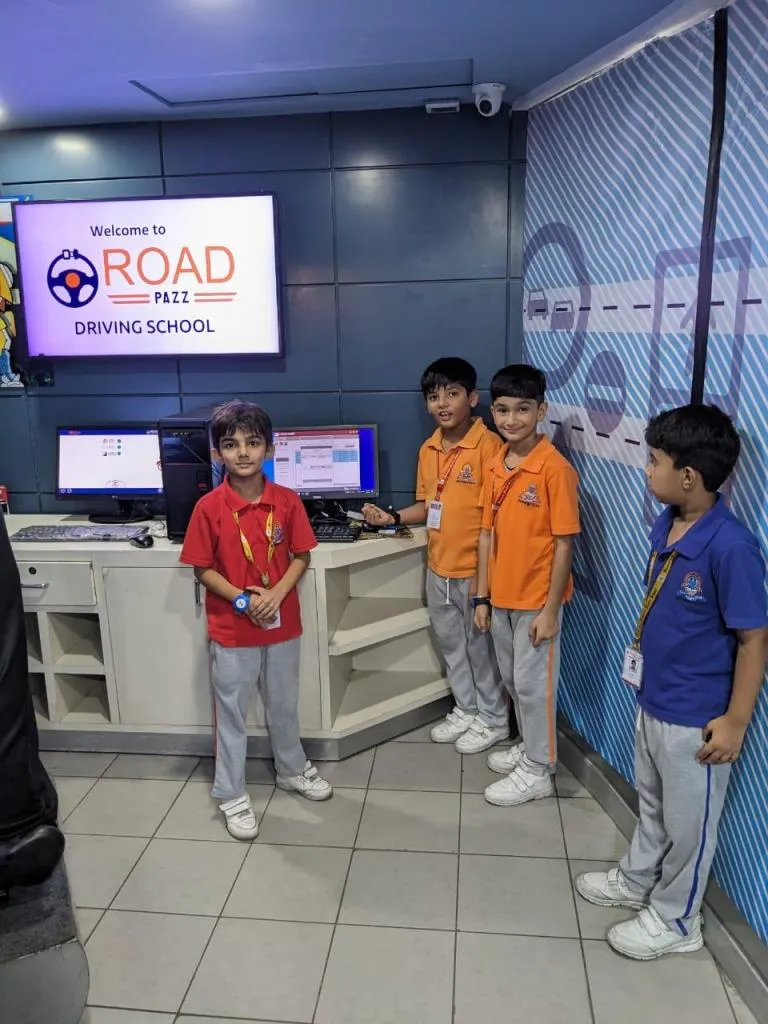
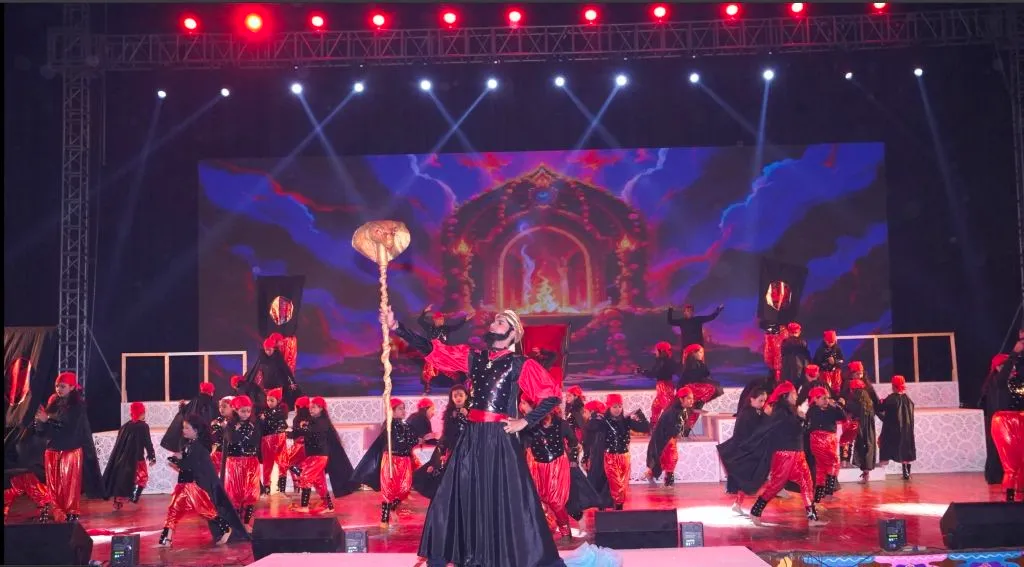
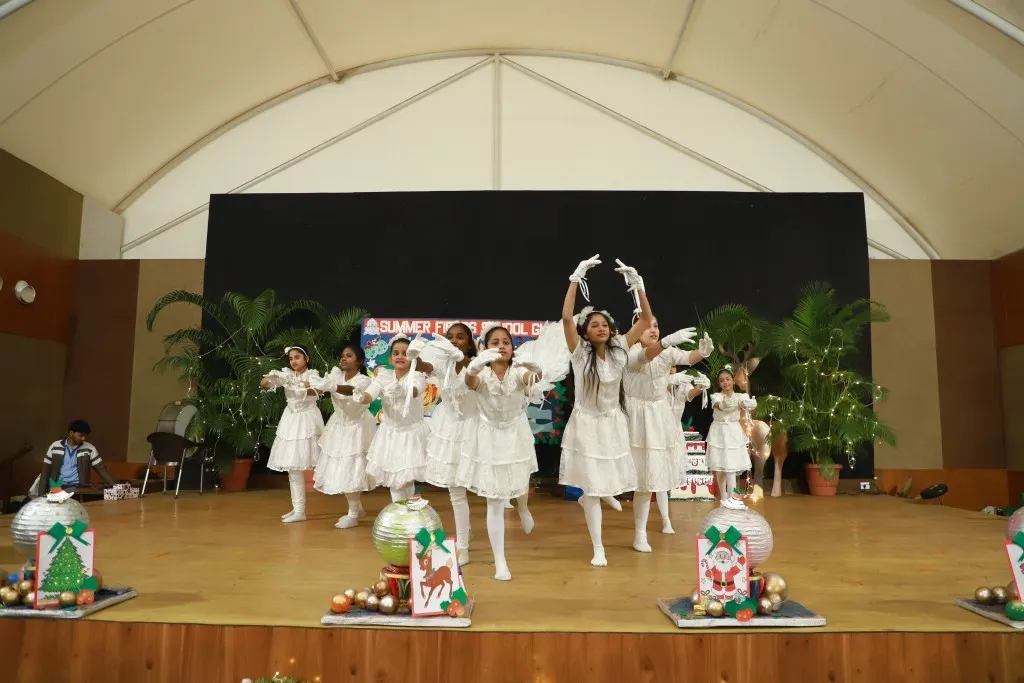
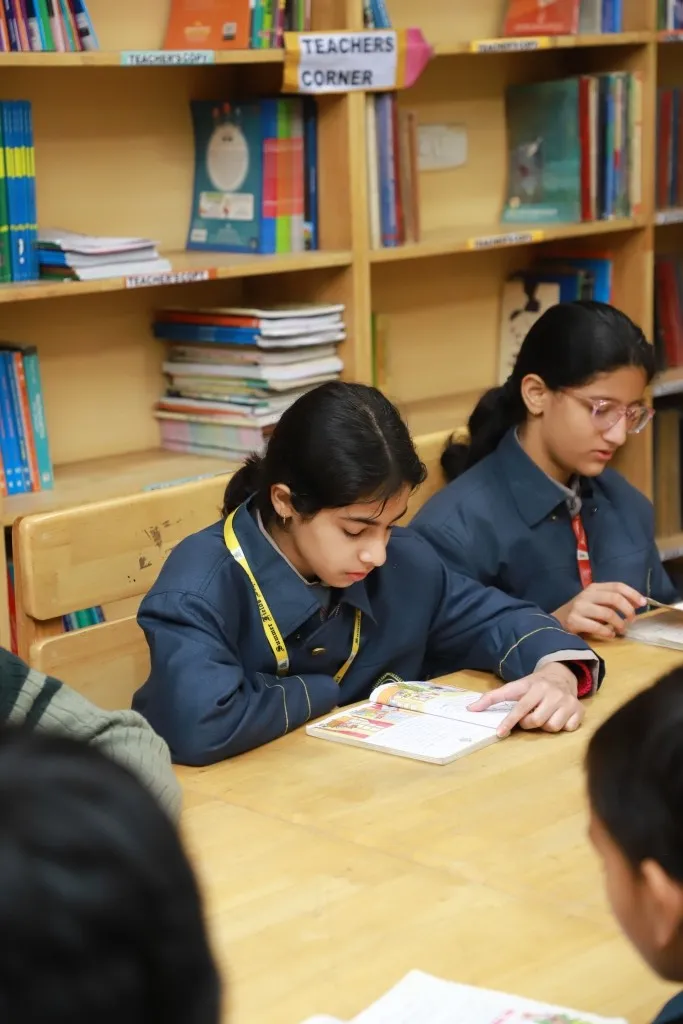
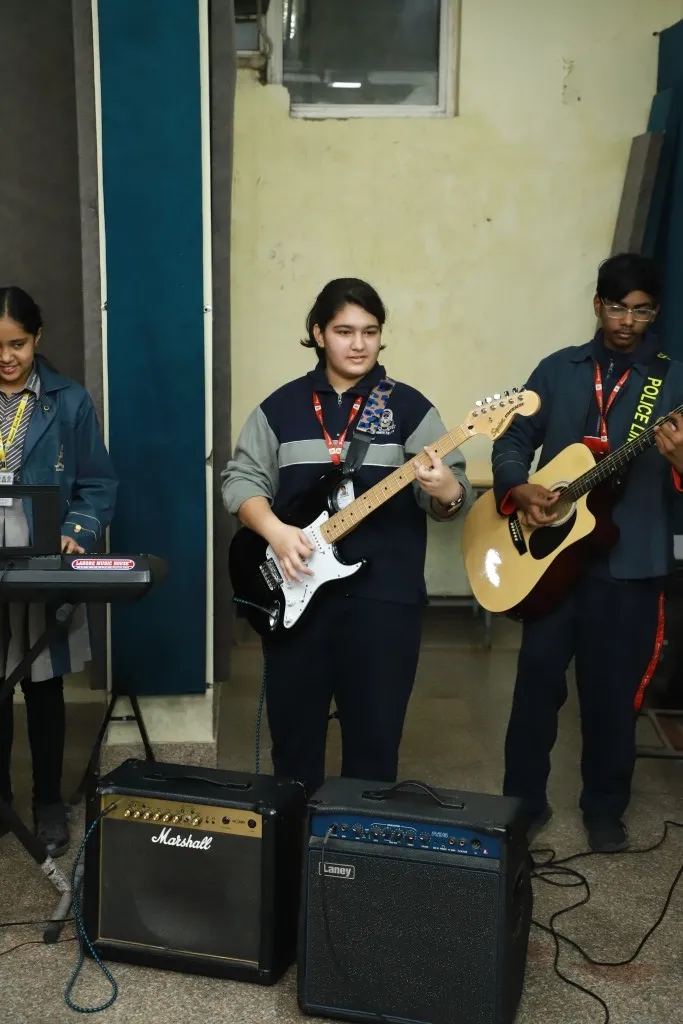
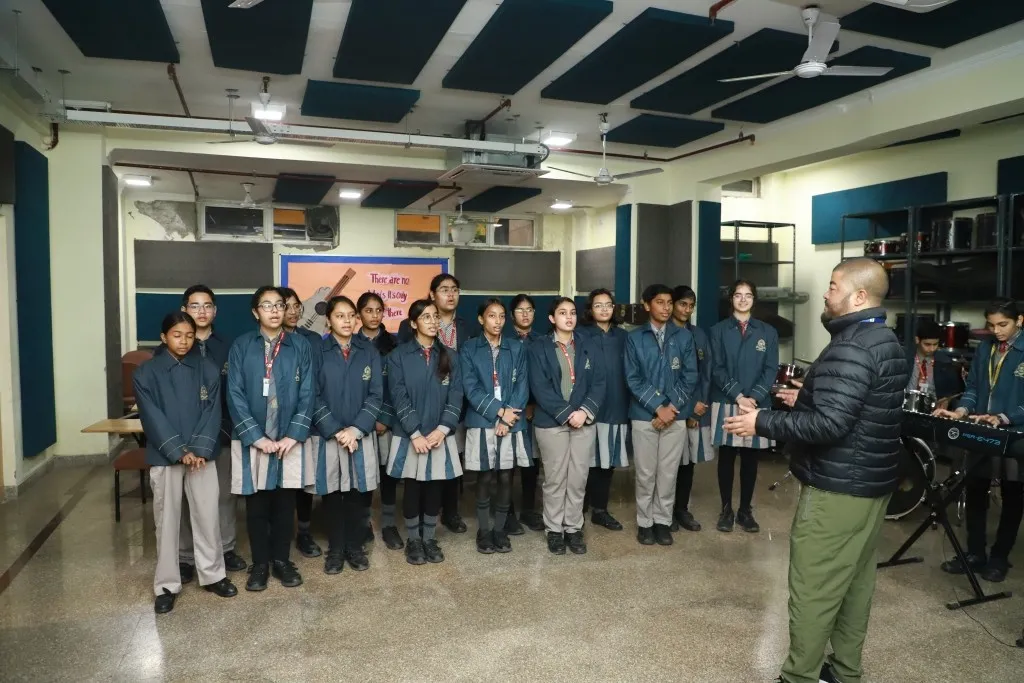
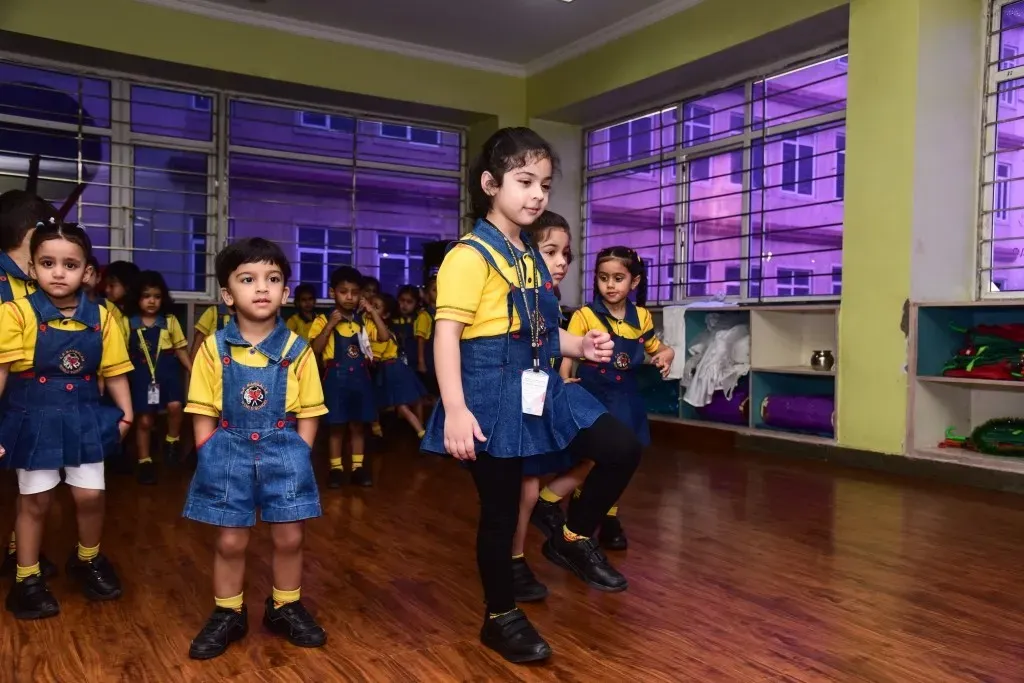
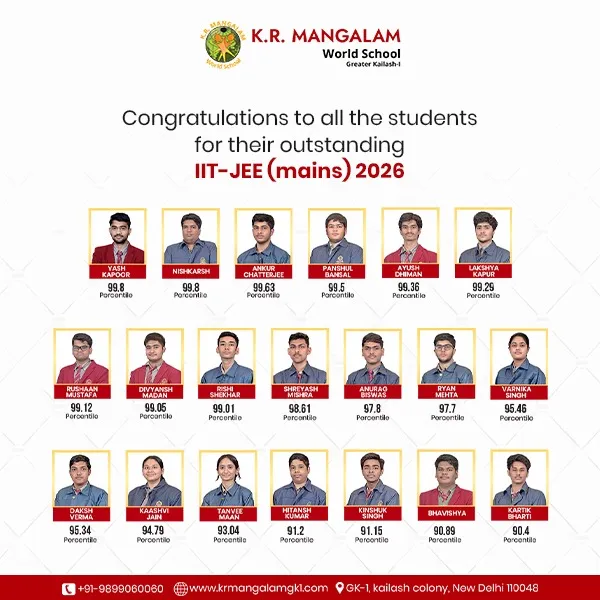
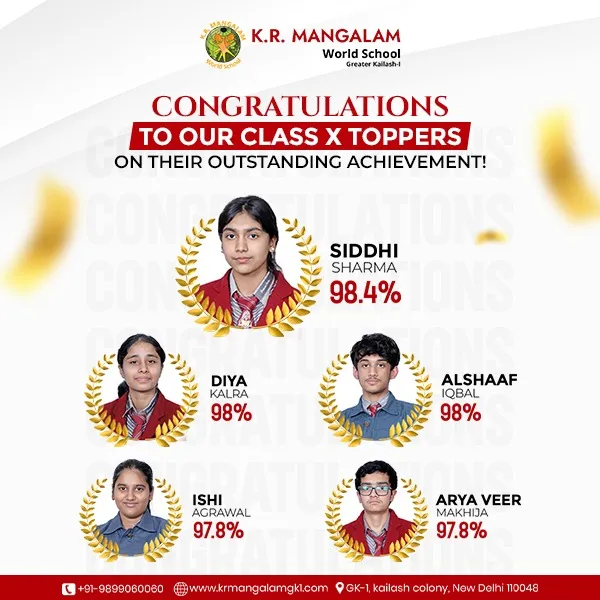
K.R.Mangalam World School,GK1 offers a well-rounded curriculum across all grade levels, designed to foster both academic excellence and personal growth. Our approach integrates rigorous core subjects with vibrant co-curricular activities, ensuring students develop critical thinking alongside physical and emotional wellbeing.
Extensive sports facilities promoting physical fitness, teamwork, and sportsmanship, including indoor and outdoor arenas for cricket, football, basketball, swimming, and various indoor games.
Furthermore, as artificial intelligence and virtual influencers become more mainstream, the highly structured, hyper-polished visual language of the subculture will serve as prime material for algorithmic content generation. The transformation is complete: what was once used as a tool to mock women has become a multi-billion dollar engine of digital culture, permanently rewriting the rules of popular media.
For example, when the Mean Girls musical film was released, e924 did not simply review it. Instead, the content focused on:
To understand the landscape of modern entertainment media, one must look at the history and influence of E! Entertainment Television. Launched on July 31, 1987, as "Movietime," the network was originally a service that aired movie trailers, entertainment news, event coverage, and interviews, serving as an early example of a national "barker channel." The channel was founded by Larry Namer and Alan Mruvka. Early hosts included Greg Kinnear, Katie Wagner, and Sam Rubin, who helped shape its identity.
: The company organizes the Bimbo Global Race , a massive hybrid event with over 300,000 participants across 24 cities worldwide to support food banks. 3. Cultural Content: The "Bimbo" Archetype in Media
We see the influence of the bimbo aesthetic in mainstream cinema and music as well. The massive success of the Barbie movie is perhaps the most prominent example of "bimbo" visuals being used to tell a complex story about womanhood and autonomy. Similarly, music icons frequently adopt the "doll" persona in their music videos, blending high-fashion with a message of empowerment. The Digital Shift: From TV to Social Feeds